







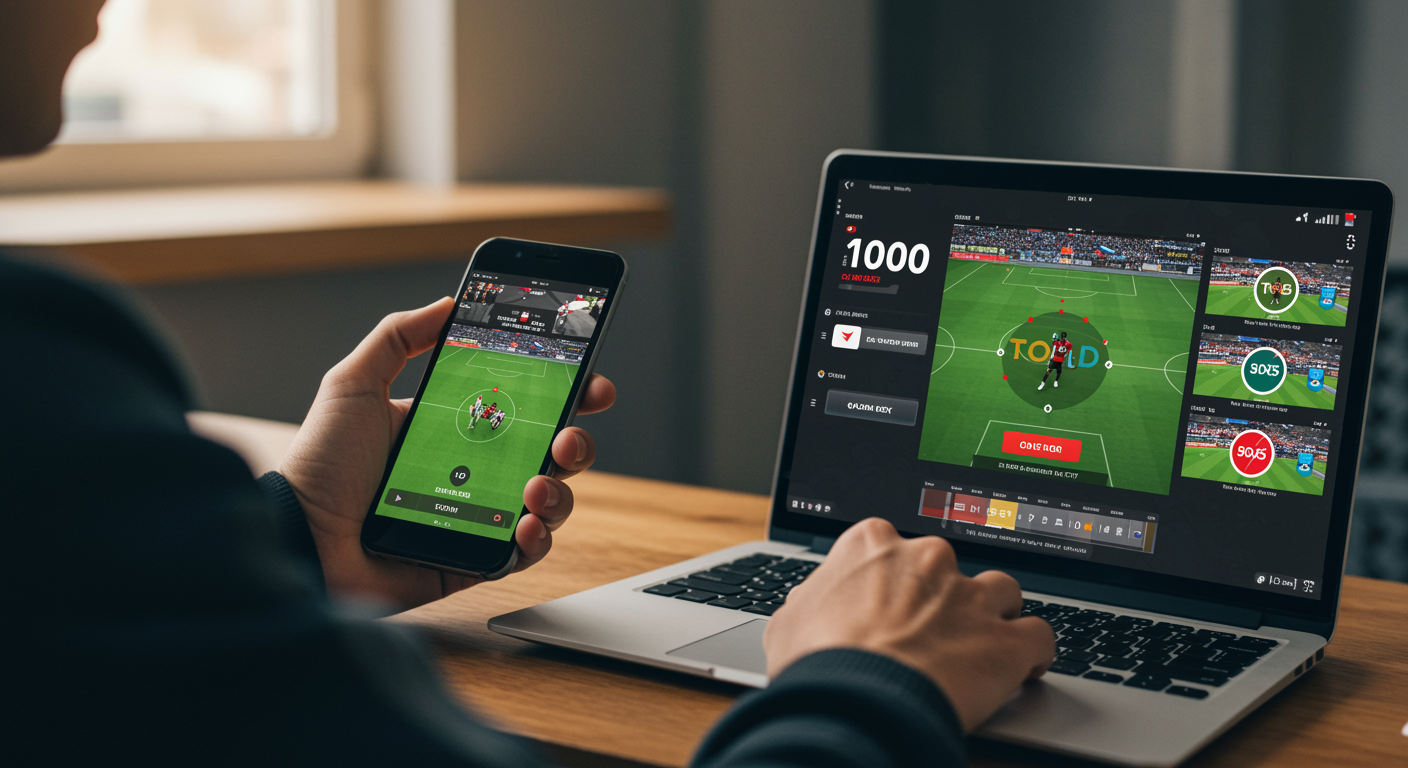
Live betting in South Africa presents unique opportunities for sports enthusiasts to engage with matches as they unfold, but success hinges on understanding the timing challenges that define this fast-paced gambling environment. Technical limitations, regulatory oversight, and bookmaker risk management systems all contribute to delays between real-time events and when bets can be placed or confirmed.
These time delays aren’t just technical inconveniences—they fundamentally shape the live betting experience and can mean the difference between profitable wagering and costly mistakes. Understanding how delays work, why they exist, and how to navigate them effectively is critical for anyone serious about responsible in-play betting in South Africa’s regulated gambling landscape.
What Are Live Betting Time Delays?
Time delays in live betting encompass various forms of latency that occur between real-world sporting events and when bettors can successfully place or confirm their wagers. These delays stem from multiple sources including broadcast technology, bookmaker processing systems, and regulatory compliance measures that collectively create gaps between live action and betting opportunities.
The complexity of live betting delays becomes apparent when examining how different delay types compound to create significant timing gaps. Streaming delays combine with bet processing lags, while market suspensions add unpredictable pauses that can frustrate even experienced bettors who think they’re watching events unfold in real-time.
Understanding these delays requires recognizing that what appears to be “live” television or streaming often carries substantial latency, and bookmakers implement additional time buffers for risk management and regulatory compliance. The result is a betting environment where timing strategies become as important as sports knowledge.
| Delay Type | Description | Impact on Betting | Typical Duration |
|---|---|---|---|
| Streaming Latency | Broadcast delay from venue to viewer | Creates false real-time impression | 15-45 seconds |
| Bet Processing Lag | Bookmaker system verification time | Delays bet confirmation and acceptance | 2-8 seconds |
| Market Suspension | Temporary betting halt during key events | Blocks bet placement entirely | 10-90 seconds |
| Regulatory Compliance Check | Anti-fraud and licensing verification | Adds unpredictable processing time | 1-5 seconds |
| Odds Recalculation Delay | Algorithm updates following events | Creates pricing gaps and opportunities | 3-12 seconds |
Origins of Delays in SA Betting
The sources of betting delays in South Africa stem from a complex interaction of technological infrastructure, regulatory requirements, and bookmaker risk management protocols. Understanding where delays originate helps bettors develop realistic expectations and more effective betting strategies.
- Broadcast technology limitations that require signal processing, compression, and distribution through multiple network layers before reaching end users
- Bookmaker system architecture designed with multiple verification checkpoints to prevent fraud, validate account status, and ensure regulatory compliance
- Provincial gambling board requirements for real-time monitoring, audit trails, and suspicious activity detection that add processing overhead
- Internet infrastructure variability across South Africa’s diverse geographic regions, affecting both streaming quality and bet submission speed
- Third-party data feed delays from official sports data providers who prioritize accuracy over speed in their live event reporting
How Delays Affect Odds and Bet Confirmation
Betting delays create a cascading effect on odds movement and bet confirmation that can dramatically impact wagering outcomes. When significant events occur during live matches, the time lag between the actual event and bet processing creates windows where odds may not reflect current game states, leading to either advantageous opportunities or costly rejections.
The most critical impact occurs when bettors place wagers based on delayed streaming information, only to discover their bets are rejected because bookmakers operating on faster data feeds have already adjusted odds or suspended markets. This disconnect between bettor information and bookmaker knowledge fundamentally alters the live betting dynamic, making timing strategies essential for consistent success.
Regulatory Context: SA Gambling Rules and Time Delays
South Africa’s gambling regulatory framework significantly influences live betting time delays through the National Gambling Act and provincial gambling legislation that prioritize player protection and market integrity over betting speed. These regulations require bookmakers to implement comprehensive monitoring systems, maintain detailed audit trails, and conduct real-time compliance checks that inherently add processing time to live bet transactions.
The regulatory emphasis on responsible gambling and fraud prevention creates mandatory delays as licensed operators must verify account status, check betting limits, and screen for suspicious activity patterns before confirming wagers. Provincial gambling acts further complicate timing by requiring different compliance standards across regions, leading to inconsistent delay patterns depending on where operators are licensed.
Anti-fraud mechanisms mandated by SA gambling laws include real-time transaction monitoring, pattern recognition algorithms, and cross-referencing systems that analyze betting behavior against known risk indicators. While these protections are essential for market integrity, they contribute measurably to bet processing times, particularly for larger wagers or accounts flagged for enhanced scrutiny.
Licensing requirements also influence delays as operators must demonstrate their systems meet regulatory standards for data security, transaction logging, and audit capability. These technical requirements often prioritize compliance over speed, resulting in more robust but slower betting platforms compared to less regulated markets.
Role of Provincial Gambling Boards in Delay Management
Provincial gambling boards across South Africa play a crucial role in managing and sometimes exacerbating live betting delays through their oversight responsibilities and enforcement priorities. Each board maintains different technical standards and monitoring requirements that directly impact how quickly bookmakers can process live bets.
The boards’ regulatory approach balances consumer protection with industry efficiency, but their primary mandate focuses heavily on preventing problem gambling and ensuring market fairness. This emphasis shapes how delays are viewed from a regulatory perspective—as necessary safeguards rather than operational inefficiencies that need elimination.
- Conducting regular audits of bookmaker systems to ensure compliance with timing and processing standards, including verification of anti-fraud measures
- Monitoring real-time betting patterns to identify potential manipulation or suspicious activity that could indicate match-fixing or insider trading
- Enforcing technical standards for data security and transaction processing that may require additional verification steps before bet confirmation
- Coordinating with national authorities to maintain consistent enforcement of gambling laws across provincial boundaries
- Investigating consumer complaints related to bet processing delays to determine if operators are meeting regulatory obligations
Streaming Latency: How ‘Live’ Is Your Broadcast?
The streaming latency that affects South African live betting varies dramatically depending on the broadcast source, with delays ranging from relatively minimal direct satellite feeds to substantially delayed over-the-top streaming services. Understanding these differences is crucial for bettors who need to assess how far behind real-time their information source actually is.
Traditional television broadcasts through satellite and cable providers typically offer lower latency than internet-based streaming services, but even these “faster” sources carry delays of 15-30 seconds due to signal processing and distribution requirements. Internet streaming adds additional buffering and compression delays that can extend total latency to 45 seconds or more.
The variability in streaming delays creates an uneven playing field where bettors using different viewing sources operate with different information timing advantages. This disparity becomes particularly problematic in fast-paced sports where crucial events can unfold and resolve within the typical delay window.
| Streaming Source | Average Delay (Seconds) | Betting Risk Level | User Control |
|---|---|---|---|
| Satellite TV (DStv) | 15-25 | Medium | Limited |
| Cable Television | 20-35 | Medium-High | None |
| Streaming Services (ShowMax, Netflix) | 30-60 | High | Quality Settings |
| Bookmaker In-App Streams | 25-45 | Medium | Platform Dependent |
| Unofficial Online Streams | 45-120 | Very High | Unreliable |
Reducing Streaming Delays: Legal and Technical Tips
Minimizing streaming delays requires a combination of choosing optimal viewing sources and configuring devices for best performance. While bettors cannot eliminate delays entirely, strategic choices can significantly reduce latency and improve live betting timing.
- Prioritize satellite or cable television over internet streaming when available, as these sources typically offer 10-20 seconds less delay than OTT services
- Use wired internet connections instead of Wi-Fi for streaming to reduce packet loss and buffering that can increase effective delay times
- Configure streaming applications to use lower quality settings, as higher resolution streams require more processing time and buffering
- Close unnecessary applications and background processes to ensure maximum bandwidth and processing power for streaming applications
- Consider using bookmaker-provided streams when available, as these may be optimized for betting applications and synchronized with odds updates
Risks of Relying on Secondary Streams
Using unofficial or secondary streaming sources presents significant risks for live bettors beyond just increased latency. These unauthorized streams often carry the longest delays, are subject to sudden interruptions, and may expose users to legal liability under South Africa’s copyright and broadcasting laws.
The quality and reliability of unofficial streams vary dramatically, making it impossible to develop consistent timing strategies when the delay can fluctuate by 30-60 seconds during a single match. Additionally, many of these streams are hosted on platforms with questionable security practices, potentially exposing users to malware or fraud while they attempt to place live bets.
Bet Acceptance Lag: Bookmakers’ Time Buffer Explained
Bookmaker bet acceptance lag represents a deliberate time buffer implemented to protect operators from rapid odds changes and to ensure compliance with regulatory requirements. This systematic delay occurs between when a bettor submits a wager and when the bookmaker’s system confirms acceptance, involving multiple verification and risk assessment steps.
The complexity of bet processing during live events requires bookmakers to balance speed with accuracy and regulatory compliance. Each submitted bet must pass through fraud detection algorithms, account verification checks, and odds validation procedures before confirmation, creating unavoidable delays that vary based on bet size, market type, and account history.
Understanding this lag helps bettors set realistic expectations and develop strategies that account for processing time rather than attempting to exploit momentary odds discrepancies that may no longer exist by the time bets are actually accepted.
- Initial bet submission triggers immediate system logging and assigns a unique transaction identifier for tracking and audit purposes
- Account verification confirms sufficient balance, checks betting limits, and screens for any account restrictions or flags
- Fraud detection algorithms analyze betting patterns, stake size, and timing to identify potential suspicious activity
- Odds validation ensures current pricing matches submitted bet details and checks for any market suspensions or changes
- Regulatory compliance check verifies transaction meets all applicable gambling law requirements and audit trail standards
- Final confirmation or rejection is communicated to bettor with appropriate messaging regarding transaction status
Impact on Fast-Paced Sports
Fast-paced sports like tennis and soccer present the greatest challenges for live betting due to bet acceptance lag, as significant scoring or momentum changes can occur during the typical 3-8 second processing window. Tennis, in particular, creates problems because individual points can be won and lost within the timeframe required for bet acceptance, making point-by-point betting extremely difficult.
Soccer presents different but equally challenging timing issues, as goals, cards, and other significant events trigger immediate market suspensions that can leave bettors with pending wagers that become void or are accepted at pre-event odds. The unpredictable nature of when these events occur makes it nearly impossible to time bet submissions to avoid processing complications.
Cricket and rugby offer more favorable conditions for managing bet acceptance lag because the natural pace of play includes more predictable breaks and slower-developing situations. However, even these sports have moments of rapid action where acceptance lag can create problems for live bettors attempting to capitalize on emerging opportunities.
Smart Betting: Tips to Reduce Acceptance Delays
Strategic approaches to live betting can help minimize the impact of acceptance delays by choosing optimal timing and market types that work better within existing processing constraints. These techniques focus on working with delay patterns rather than attempting to overcome them through speed alone.
- Time bet submissions during natural breaks in play such as set breaks in tennis, halftime in soccer, or between overs in cricket to avoid event-driven suspensions
- Focus on markets with longer resolution times like match winners or total goals rather than immediate outcome bets that can be affected by quick events
- Use smaller stake sizes initially to benefit from faster processing for lower-risk transactions, then scale up with successful strategies
- Pre-validate account details and ensure sufficient balance is available to minimize verification-related delays during bet processing
- Choose bookmakers with consistently faster processing systems based on personal experience rather than assuming all operators perform similarly
Market Suspension and Its Timing Traps
Market suspension represents one of the most frustrating aspects of live betting delays, as these temporary halts in betting availability occur unpredictably and can last anywhere from a few seconds to several minutes. Understanding when and why suspensions occur helps bettors avoid timing traps that can derail otherwise sound betting strategies.
Bookmakers implement market suspensions as a risk management tool during periods of high uncertainty or when significant events occur that could dramatically alter match dynamics. While these suspensions protect operators from accepting bets on outdated odds, they create periods where bettors cannot act on perceived opportunities, regardless of their timing or analysis quality.
The algorithmic triggers for market suspension vary by sport and event type, but they generally activate around goals, injuries, red cards, and other high-impact occurrences. The duration of suspensions depends on how quickly bookmakers can reassess odds and market conditions following the triggering event.
Automated suspension systems have become increasingly sophisticated, using real-time data feeds and predictive algorithms to anticipate high-probability suspension scenarios. This advancement means suspensions often begin before events are visible to bettors watching delayed streams, creating additional timing complications.
| Market Type | Typical Suspension Event | Pros for Bookmaker | Cons for Bettor |
|---|---|---|---|
| Next Goal Scorer | Player enters penalty area | Prevents informed betting on goal attempts | Blocks betting during optimal moments |
| Match Winner | Goal scored or red card issued | Time to recalculate accurate odds | Cannot capitalize on immediate overreactions |
| Total Goals | Any goal or near-miss opportunity | Avoids accepting outdated totals odds | Frequent suspensions disrupt betting flow |
| Correct Score | Goal scored | Eliminates impossible score outcomes | Extended suspensions during goal reviews |
| Next Card | Referee stops play for review | Prevents betting on obvious card situations | Unpredictable suspension timing |
Bookmaker Suspension Algorithms and Punters’ Response
Modern bookmaker suspension algorithms utilize machine learning and real-time data analysis to predict high-risk betting scenarios and automatically halt markets before significant events occur. These systems analyze factors like player positioning, game flow patterns, referee behavior, and historical event probability to trigger preemptive suspensions that protect operators from informed betting.
The sophistication of these algorithmic systems has created an arms race between bookmaker protection and bettor strategy, with experienced punters now focusing on identifying suspension patterns and timing their betting to avoid predictable halt periods. Understanding how algorithms work helps bettors recognize when markets are likely to suspend and adjust their strategies accordingly.
Punters have adapted to suspension algorithms by developing betting strategies that focus on periods of lower algorithm sensitivity, such as during established play patterns or when events are less likely to occur. This evolution has pushed live betting toward more strategic, patience-based approaches rather than reactive, speed-dependent tactics.
Practical Strategies for Navigating Delays in SA Live Betting
Successful live betting in South Africa requires strategies specifically designed to work within the delay-heavy environment created by technical limitations, regulatory requirements, and bookmaker risk management systems. These approaches focus on leveraging delays rather than fighting them, turning timing challenges into strategic advantages.
The key to navigating delays effectively lies in understanding that consistent profitability comes from superior analysis and strategic patience rather than attempting to exploit split-second opportunities that rarely materialize due to processing lags. Developing delay-conscious strategies helps bettors focus on sustainable approaches that work within South Africa’s regulated gambling environment.
Responsible gambling principles become even more critical when dealing with delays, as frustration with timing issues can lead to impulsive betting decisions and poor bankroll management. Successful live bettors incorporate delay management into their overall responsible gambling framework.
- Choose viewing sources with predictable delay patterns rather than the fastest available streams, allowing for consistent timing strategies
- Focus on markets with longer resolution timeframes that are less affected by short-term processing delays and market suspensions
- Develop patience-based strategies that wait for optimal betting situations rather than reacting to every perceived opportunity
- Set realistic expectations for bet acceptance rates and processing times to avoid frustration that can lead to poor decision-making
- Practice bankroll management that accounts for delayed bet confirmations and the possibility of rejected wagers
- Use multiple bookmaker accounts to compare processing speeds and market availability during live events
- Maintain detailed records of delay patterns and suspension triggers to improve strategy timing over time
Why Deep Sports Knowledge Outperforms Speed
In South Africa’s delay-affected live betting environment, comprehensive sports knowledge and strategic thinking provide more consistent advantages than attempting to exploit timing inefficiencies. Deep understanding of sport dynamics, player tendencies, and match flow patterns enables bettors to predict developments before they occur, rather than reacting to events after delay-affected viewing.
This knowledge-based approach aligns naturally with the delay realities of SA live betting, allowing bettors to identify value opportunities that remain valid despite processing lags and market suspensions. Superior analysis skills become more valuable than fast reflexes when betting systems inherently prevent rapid-fire wagering strategies.
Common Mistakes to Avoid with SA Live Betting Delays
Understanding the most frequent errors made by live bettors dealing with delays helps new bettors avoid costly mistakes while developing more effective strategies. These mistakes often stem from unrealistic expectations about delay-free betting and attempts to use strategies designed for faster-moving markets.
- Relying on unofficial or illegal streaming sources that carry extreme delays and unreliable connections, making timing strategies impossible to implement consistently
- Attempting rapid-fire betting strategies designed for markets without significant processing delays, leading to frustrated expectations and poor results
- Ignoring market suspension patterns and repeatedly attempting to bet during predictable suspension periods
- Failing to account for bet acceptance lag when calculating potential returns, leading to disappointment when odds change during processing
- Becoming frustrated with delays and abandoning systematic approaches in favor of impulsive betting decisions
The Future of Live Betting Speed and Regulation in SA
South Africa’s live betting landscape is evolving toward reduced delays through technological advancement and regulatory adaptation, though the pace of change remains measured by the need to balance speed improvements with consumer protection priorities. Emerging technologies like 5G networks, edge computing, and ultra-low latency streaming promise to significantly reduce technical delays within the next few years.
Regulatory frameworks are also adapting to technological possibilities, with provincial gambling boards exploring ways to maintain oversight effectiveness while enabling faster betting experiences. This evolution suggests future SA live betting will feature shorter delays without compromising the regulatory safeguards that protect consumers and market integrity.
The trajectory toward faster live betting faces competing priorities between industry efficiency demands and regulatory caution about enabling problem gambling behaviors. South Africa’s approach will likely emphasize gradual improvement that maintains robust consumer protections while incorporating technological advances that naturally reduce processing delays.
Market competition among bookmakers is driving innovation in delay reduction, with operators investing heavily in infrastructure upgrades and algorithmic improvements that can provide speed advantages while meeting regulatory requirements. This competitive pressure suggests delays will continue decreasing as operators seek to differentiate their live betting experiences.
Technology Upgrades and Odds Algorithms: What Comes Next?
The next generation of live betting technology in South Africa will feature ultra-fast streaming integration, predictive odds algorithms, and real-time regulatory compliance systems that collectively reduce current delay patterns. These technological advances promise to transform the live betting experience while maintaining the oversight standards required by SA gambling laws.
- Ultra-low latency streaming technology that reduces broadcast delays to under 5 seconds through advanced compression and edge computing networks
- Predictive odds algorithms that anticipate market movements and pre-calculate likely scenarios to reduce processing delays during live events
- Integrated regulatory compliance systems that perform real-time verification without adding processing delays through parallel checking protocols
- Artificial intelligence-powered market suspension systems that provide more precise timing and shorter suspension periods
- Blockchain-based transaction verification that could eliminate traditional banking delays while maintaining full audit capabilities for regulatory oversight